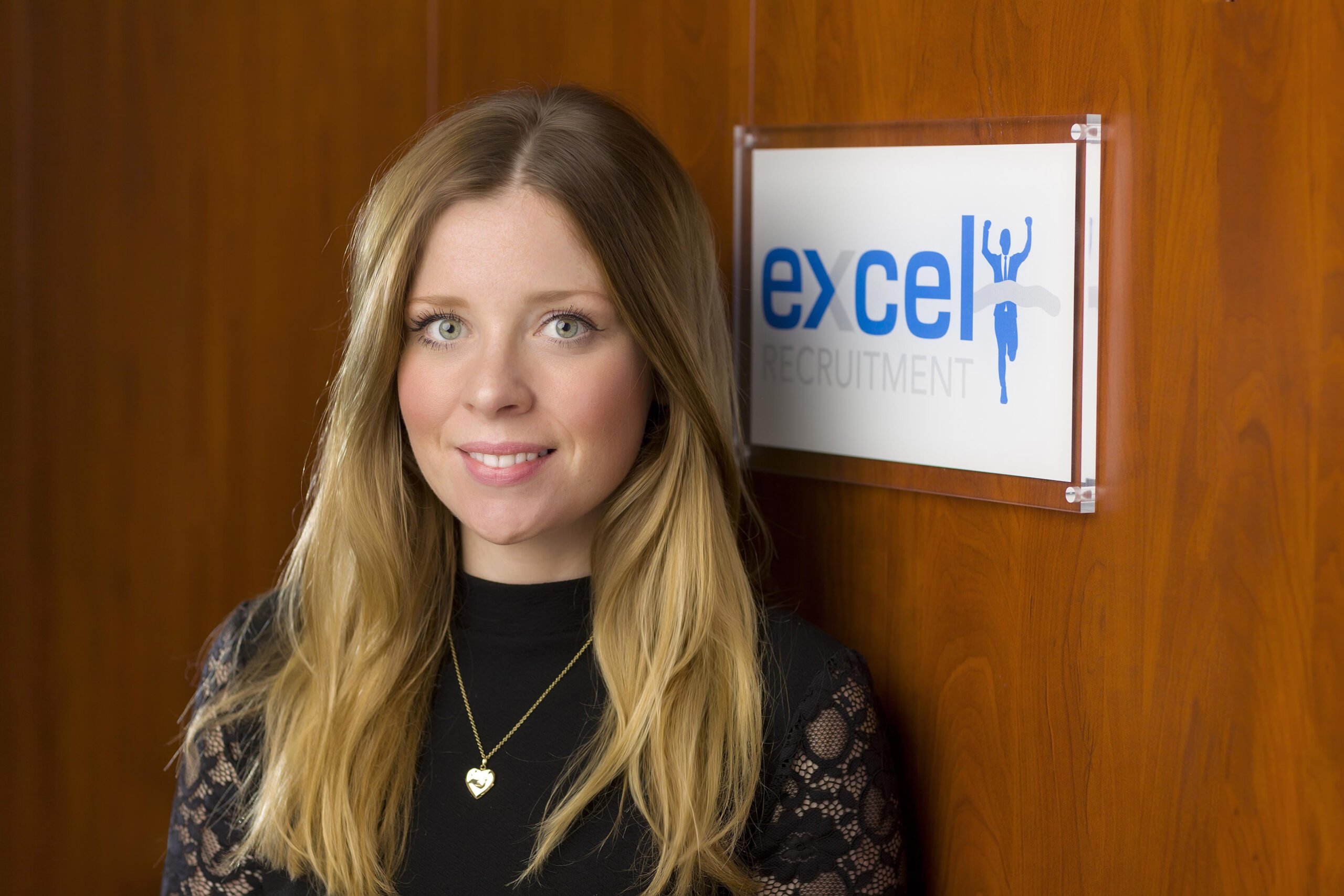
Advice for Employers: How to Conduct an Interview

A new hire is one of the most significant business decisions you can make and a face to face interview is hands down the best way to decide on the right candidate but are you making the most of it? We take you through the best questions to ask a potential employee to gain the most knowledge possible about the person behind the CV.

We at Excel do the leg work in terms of finding exceptional candidates that have the right experience, qualifications and skills match your specifications and we ensure the candidates we present to you are the best of the best but ultimately, the final decision is yours.

By the time you’ve decided to interview someone we, and you, will have screened their CV thoroughly and decided that their experience and qualifications are suitable for the role, but is their personality and style? You know best the type of person that would be the most successful fit in your business.

The best interview questions tell you about the person rather than the CV and gain an insight into the candidate’s personality, strengths, weaknesses, skills and abilities. The most successful questions benefit the candidate and give them opportunity to speak to details that might not fit on a standard CV.

Tell me about yourself.

This question is probably the most obvious on the list, but with good reason. This question is a great way to start your interview and put your candidate at ease, as they will obviously know a lot about themselves. It gives you an opportunity to see their communication skills, confidence and personality from the get go.

From everything you’ve learned about this role, me and the company, tell me how you feel you could contribute to the business?

This question sorts out those that are serious about the role from those just chancing their arm. Those who have really prepared and want to work with you will be delighted to have a chance to show it. Those who don’t really want the job or those who are simply too lazy to Google you will either try and bluff and fail or falter completely.

Describe a time when something went wrong at work and how you dealt with it.

This question is ideal for learning about how your potential hire will handle the pressures of life and conflict in your office. The candidates answer will demonstrate their interpersonal and problem solving skills and help you determine whether they would fit well into the culture of your business.

Why should we hire you?

As we said earlier by the time you meet a candidate for interview, we at Excel have already established that on paper, they are right for the job but this question can help you hugely when deciding if they’re right for your business. Realistically you’re interviewing a number of candidates, all with similar qualifications. This question asks the candidates to define what sets them apart from the rest. An interviewee who does a great job explaining how her unique experience, education, industry credentials, and personal interests will power your business will do the same thing for your company once hired.

How would your boss/ coworkers describe you?

This question essentially ask what are your greatest strengths/weaknesses in a way that can cause interviewees to be more reflective in their answer. A good candidate will know there is no point in spoofing and will use real-life examples or quotes from their boss/ performance reviews that reflect the attributes they’ve already mentioned in the interview.

What kind of manager and colleagues have you had the most and least success with, and why?

This is a great question to ascertain the personality type of the candidate sitting in front of you. By asking this you’ll be able to figure out how they work best, and whether this fits in with how your team works best, or whether they seem to have a lot of conflicts with people or personality types.

online shopping

How to Get the Job: Most Common Cover Letter Mistakes

Excel Recruitment are EXPERTS in recruitment, if we do say so ourselves, and we see hundreds of cover letters everyday. Below are the biggest and most common mistakes we see.


To Whom It May Concern

The next point covers the importance of not submitting a generic cover letter, but ‘To whom it may concern’ is SOO overused it needs to be discussed in its own right.( This point also applies to Dear Sir/Madam). If the job ad doesn’t give the name of the person recruiting or your sending in your CV speculatively, Google it. Here at Excel, we’ve made it really easy for you to find out who recruits what jobs. If you’re not completely confident who is, use the head of the department for the position you’re applying for. At the end of the day, no one will be mad for addressing the letter higher up than necessary. At the very least, it’s better than your cover letter only being skimmed.

Same Old, Same Old

Excel Recruitment consultants see hundreds of cover letters a day and a shocking number are generic, full of tired, overused clichés and put simply, quite boring. Boring is the last thing you want to be, especially when trying to get a recruiter’s attention. Tailor your cover letter to suit each individual job you’re applying for. Don’t say ‘I would be an asset to any company’ explain why you would be an asset to THIS company. Do your research and illustrate how your skills match the specific company’s needs. Also, it’s all well and good discussing your amazing skills at this and that but if they’re not relevant to the job at hand, don’t waste the space. Again, the aim is to let the consultant/ hiring manager know you want this job, not just any job.

Putting your CV into sentences

Another mistake people make when putting together their cover letter is to simply turn their CV into a short essay or just regurgitate the same information already in their CV. Remember in first class when your teacher would give out for writing stories that go- and then this, and then that, and then we? Anything written this way is boring, never mind a job application in a very large pile of job applications. A cover letter is a much more personable way of describing your experience, your skills and goals not a longhand list of where you’ve worked. Use your cover letter to introduce yourself to the person hiring, let them know why you’ve applied and get your personality across.

Doing it for the Sake of it

So many people throw a cover letter together because they feel like they have to but that’s a waste of a vital tool. Any career breaks or gaps in employment? Using your cover letter to address them is the easiest way to explain while stressing your skills and eagerness to get back to work.

Ultimately, stop thinking of a cover letter as something you have to do and instead view it as the excellent opportunity it is. A concise, specific, well written cove letter ensures you make the best possible impression in a pile of applications and can help you make the first step.

Now that you have all the knowledge you need to write a fabulous cover letter, have a look at all our live roles and get sending!

Aislinn Lea, Head of Fashion & Non-Food, Excel Recruitment

My Journey Into Recruitment – Aislinn Lea

What titles did you hold while working in Retail?

Retail Store Manager

Area Merchandising Manager

How does it compare going from working in Retail to a Recruitment environment?

Retail and Recruitment are very different industries. With Recruitment, you are confined to the one spot in an office, it is a very administrative business and you are only really measured on your sales which is driven through your relationships with your Clients and your Candidates

With Retail, you have a wide range of duties and accountabilities, it is far more creative and commercial where you are constantly looking to drive business through a variety of areas, People, Product, Merchandising, Standards and Costs. However once you have loved retail, recruitment taps in on this as you will thoroughly enjoy learning about a company, understanding their business requirements and passing this knowledge and understanding of a business to your candidate.

What was your favourite part about working in retail?

Visual Merchandising and Commercial success

What is your favourite aspect of working in Recruitment?

My favourite aspect of Recruitment is when I found myself really busy with a lot of live roles. I love filling roles and achieving that goal of finding the right candidate for the client.

Are you seeing any difference in applications over the last 12 months?

Yes, there is a lot more quality candidates however there is also a lot more jobs therefore I am finding that candidates are often out for 2/3 interviews at one time.

What do you favour most when a CV comes into your inbox? What must haves does a candidate need in order to be considered?

Not too many jumps on their c.v is the main thing I would be conscious off.


What has been your most favoured candidate placement and why?

I have had a few great placement that I would consider memorable for a variety of reasons.

Gary. I placed as a Territory Sales Manager with a relatively new client. Why, because he listened to all my feedback and took everything on board, he researched, practised and proved to our client that what he didn’t have in experience he had in enthusiasm, energy and ambition.

Fran. I placed Fran as Regional Manager with one of the largest mobile telecomm. operators in Ireland. I spent 6 months on this placement and was up against 3 other agencies. Fran was fantastic, she showed her enthusiasm and energy time and time again through each assignment asked of her throughout the interview process

Mari. I placed Mari as Department Manager with the a luxury Irish retail group. Mari has being trying so hard to get into the Retail Fashion Industry. She is an award winning grocery retailer however was finding it very difficult to get an interview with any Fashion house, that is until the our client group offered her an interview and ultimately loved her and offered her the position.

A young sales assistant aspires to be a Retail/Area Manager – Buyer/Senior Buyer. Describe what they should do in 4 sentences?

I think for a Young Sales Assistant looking to progress to Retail Area Management I would suggest you put in the work, studies, long hours and be as flexible as you can with regards to location when you are young and energetic therefore availing of all the opportunities and training afforded to you at the beginning of your career.

Listen and take on board any criticism, compliments and training offered and always be looking to improve yourself and let your employer know where you see yourself down the road.

My Journey Into Recruitment – Sarah Hurley

Sarah Hurley oversees Head office and Buying roles. Below, Sarah takes us through how she got into recruitment.

What titles did you hold while working in Retail?

Trainee Buyer, Assistant Buyer, Senior Assistant Buyer, Junior Buyer.


How does it compare going from working in Retail to a Recruitment environment?

Coming from a buying perspective it’s not as fast paced and probably more service focused.


What was your favourite part about working in retail?

Developing product and analysing sales performance were my favourite.


What is your favourite aspect of working in Recruitment?

Keeping candidates and clients mutually happy.


Are you seeing any difference in applications over the last 12 months?

Perhaps more Ecommerce candidates are applying and also more Ecommerce jobs are being registered with us.


What do you favour most when a CV comes into your inbox? What must haves does a candidate need in order to be considered?

Keep it simple/ My ideal CV has a short personal profile that sums the candidate up and describes main objective for their career, followed by career summary, education, IT skills (computer programs and systems you can use well) and then any relevant interests. CV’s on Word are preferred as PDF’s can often at time be difficult to format if we need to.

What has been your most favoured candidate placement and why?

One candidate we worked with wanted to get into a trainee merchandiser role. She had great experience but was struggling with nerves at interview and her relevant skills and knowledge weren’t getting across. We spent time with her going through her CV, practising interview questions and any potential difficulties she might come across. Long story short – she got the job and we’re all delighted for her!


A young sales assistant aspires to be a Retail/Area Manager – Buyer/Senior Buyer. Describe what they should do in 4 sentences?

If the company they work for has a head office here in Ireland then it would make sense to see if they offer any entry level buying or merchandising schemes depending on which function you wish to get into. For any head office roles, it is pretty imperative to gain some office experience so you can brush up on your IT skills and work in a fast paced environment.

My Journey Into Recruitment – Sean Thomas

What types of jobs did you work at in grocery retail?

I started as a sales assistant in Supervalu Hartstown then joined my local Dunnes Stores for 4 years. I re-joined my old Supervalu as a Trainee Manager when I was 19, which had turned into a Eurospar by then. I became an Assistant Manager for Eurospar for 3 years and then later join Superquinn as a department manager.


How does it compare going from working in grocery to a recruitment environment?

Not much has changed, it both requires a passion for what we do and strong inter personal skills.


What was your favourite part about working in retail?

I enjoy the fast paced atmosphere, the customers and the sense of achievement when completing my job.


What is your favourite aspect of working in recruitment?

I enjoy the pressure! We’re constantly striving to go above and beyond, keeping up the high expectation of candidates we send out and preparing candidates for interviews.


Are you seeing any difference in applications over the last 12 months?

I’m seeing excellent candidates come through, with excellent level of management experience with good education backgrounds behind them. More than ever, I’ve noticed that this year.


What do you favour most when a CV comes into your inbox? What must haves does a candidate need in order to be considered?

  • Good longevity
  • Career progression with good company brand names such as Eurospar and Supervalu etc.


What has been your most favoured candidate placement and why?

I had a candidate who had been made redundant by his local Supermarket, like many others. He was an experienced manager, had excellent references and a qualified butcher, with good length of service in each job. Due to not having a brand named supermarket behind him we initially found it hard to place him. But due to us having good relationships with our clients, he was given the chance to become a fresh food manager with this large branded supermarket and has been in this store the last 7 months. I have been in touch with him quite recently and he stated that he can’t believe he did not find this place sooner, as the professionalism and store set up is much far advanced as to what he dealt with in the past and is loving his new role. There is a big sense of satisfaction when you know you get the right fit for both parties!

A young sales assistant aspires to be a retail/area manager. Describe what they should do in 4 sentences?

  • Get a Degree in some related business course
  • Get on the job management experience in a large fast paced environment
  • Always be professional in everything you do.
  • Be nice, it’s nice to be nice!