Retail recruitment outlook 2026

Navigating Retail Recruitment in 2026

Our Director of Fashion & Non-Food Retail Recruitment, Aislinn Lea, featured in the Retail Times sharing her expert insights on retail recruitment in 2026:

I’ve had a front-row seat to one of the most fast-moving and challenging periods the Irish retail sector has seen in years. Looking back on 2025 and ahead into 2026, one thing is clear: Irish retail recruitment is vibrant, but it’s also more complex than ever. From our 2026 Non-Food & Fashion Retail Salary Guide, we saw more than three times more retail roles registered in the final quarter of 2025 than in the same period in 2024. That shows real confidence in the sector, but also the difficulties retailers are facing in finding and keeping the right people.

A more selective candidate market

Candidates are no longer moving for “another job”. They are more selective in what they want from a career. Location, flexibility, and quality of life are ahead of traditional progression or job titles. We’ve also seen a shift in salary expectations. The most in-demand salary band for retail management roles, previously between €35,000 and €42,000, has now moved to €40,000–€52,000. It is becoming difficult for employers to attract managers with three to four years’ experience for under €40,000. That puts pressure on payroll budgets, particularly for independent and SME retailers.

The impact of the minimum wage increase

The increase in the national minimum wage to €14.15 per hour is a positive development for workers, but it’s not without consequences for employers. Larger retail chains offering higher entry-level rates are attracting a sizeable share of the junior talent pool: people who might have started and grown their careers in smaller businesses. SMEs are finding it harder to compete, not just on pay, but the full package needed to attract and retain staff.

Why employer brand and benefits now matter more

Salary alone is no longer enough. Candidates are making decisions based on the overall employment proposition:

→ The strength and reputation of the brand

→ Day-to-day working conditions

→ Work–life balance and flexibility

Retailers who are winning the war for talent are offering:

→ 37.5 – 39 hour contracts

→ 23–25 days’ annual leave

→ Contributory pension schemes

→ Predictable scheduling and regular weekends off

Even small, thoughtful benefits make a big difference and are often the details candidates remember when comparing offers.

The challenge of city-centre vacancies

There is a growing reluctance among candidates to commute long distances or into city-centre locations. Commuting time, public transport costs, and parking fees are deterrents. Employers who offset these – through flexible scheduling, hybrid arrangements for head office positions, travel supports, or parking contributions – are better placed to secure talent.

Leadership is the real differentiator

Across both retail and head office support functions, one theme stands out: leadership. Our clients are no longer looking for managers who are simply strong operators; they want people who can lead, coach, and develop teams. Succession planning and internal growth have become essential to long term retention. Retailers who will thrive in 2026 and beyond:

→ Invest in developing their managers as leaders

→ Create clear internal career paths

→ Recognise and reward people who grow with the business

Looking ahead to 2026

My message to retailers is straightforward: those who invest in people, brand, and flexibility will continue to attract the next generation of leaders in one of Ireland’s most vibrant, yet competitive, employment markets.

Borrowed Beliefs

Walk into any store and you can usually feel it in the first 30 seconds. One team moves like they own the place: sharp standards, quick decisions, a tidy back store, customers actually helped rather than herded. Another team looks like they’re permanently waiting for bad news. Same brand. Same systems. Same footfall. Completely different atmosphere.

A big part of that difference comes down to beliefs, especially the “borrowed” kind. Borrowed beliefs are beliefs we adopt without really questioning the assumptions behind them. They can narrow what we think is possible and quietly shape our behaviour. In retail, those beliefs often do not just live in someone’s head. They spread through teams, mainly via the person with the keys and the rota.

Managers create self-fulfilling prophecies, whether they mean to or not

There’s a concept in psychology known as the Pygmalion effect: when leaders hold higher expectations, performance tends to rise. The opposite is the Golem effect: low expectations can drag performance down. Both sit under the umbrella of a self-fulfilling prophecy.

In retail terms, it looks like this.

A manager believes, “My team are capable, and if I’m clear and fair, they’ll step up.” So, they coach more, delegate more, give better feedback, and notice progress. The team grows into that expectation.

Another manager believes, “They’re useless, they don’t care, they’ll never get it right. So, they micromanage, only speak up when something is wrong, and stop investing in development. The team shrinks into that expectation, because why would you stretch yourself for someone who has already decided you won’t?

This is where borrowed beliefs get dangerous. A new supervisor who has only ever worked under negative management can easily borrow the belief that retail staff just need watching”. A new store manager can borrow the belief that “fresh food teams are always drama”. Beliefs like these become the lens through which every interaction is interpreted.

Retail is a belief business as much as a numbers business

Yes, availability matters. Yes, shrink matters. Yes, payroll matters. But store culture is built one shift at a time by what a manager consistently signals is true:

→ Who gets trusted

→ Who gets coached

→ Who gets listened to

→ Who gets written off

That is why a great manager can take a messy store and turn it around in a quarter, and why a poor manager can burn through a brilliant team in the same timeframe.

From a recruiter’s seat: how to hire managers who instil positive beliefs

When I’m hiring store and department managers, I’m not just listening for competence. I’m listening for the beliefs sitting underneath the competence, because that belief system will show up on a wet Tuesday when the delivery is late and half the team are missing.

Here are the green flags that usually show up in high-performing, people-positive leaders:

→ They talk in “we”, not “I”

Not in a cheesy way. In a responsibility way. They understand that results come through people.

→ They can explain development step by step

If they cannot describe how they took an average performer to a strong one, they probably rely on “hiring good people” rather than building them.

→ They use standards, not shame

They hold the line without humiliation. They correct behaviour while protecting dignity.

→ They’re calm under pressure

Retail will test your nervous system daily. The best managers do not outsource their stress to the team.

→They’re consistent

Teams can handle tough decisions. What they cannot handle is unpredictability, favourites, or moving goalposts.

And here are the red flags that often signal a manager who installs limiting beliefs:

→ “People just don’t want to work anymore.”

→ “I don’t have time for handholding?”

→ “You can’t trust anyone.”

→ “If you want it done right, do it yourself”

Sometimes those lines come from genuine frustration, but they can also reveal a belief system that tends to produce exactly the outcomes they complain about.

Interview questions that expose beliefs quickly

If you want to spot belief-led leadership in an interview; try these:

→ “Tell me about a team member who was struggling. What did you do in week one, week two, week three?”

→ “What does good’ look like on a closing shift, and how do you train it?”

→ “When standards slip, what’s your first move: process, people, or performance management?”

→ “How do you balance pace with positive culture on busy days?”

→ “What would your last team say you believed about them?”

Great managers answer with specifics, structure, and ownership.
Poor ones answer with blame, vagueness, or a heroic story about how they carried the store.

The soft skills that turn beliefs into performance

If I had to pick the soft skills that matter most for belief-building leaders in retail, it would be these:

→ Coaching ability: can they teach, not just tell?

→ Emotional control: can they stay steady when it gets messy?

→ Clarity: expectations and priorities are unambiguous.

→ Fairness: same rules, same follow-through, no favourites.

→ Curiosity: they ask, “what’s in the way?” before deciding ” they don’t care.”

→ Recognition: they notice progress, not just problems.

→ Accountability with respect: they deal with issues directly. without theatre.

→ Psychological safety: people feel safe to speak up, flag risks, and learn.

That last one matters more than most people realise. In retail, psychological safety looks like a team member feeling able to say, “Tim not confident on cash”, or “That delivery is wrong”, or “The planogram doesn’t match the shelf”, without being made feel stupid. It prevents small issues turning into expensive ones, and it makes people far more likely to stay.

The bottom line

Managers do not just manage tasks. They manage belief.

A belief-led manager walks into a store and quietly installs a new story: “We do standards here.” We can handle pressure.” We learn fast. “We back each other”. Given enough consistency, the team starts borrowing that belief, and results follow.

So, if you are hiring your next store manager, department manager, or duty manager, do not just assess experience. Assess expectations. Because the beliefs they bring will become the culture you live with.

And in retail, culture is not a poster in the canteen. Its a Saturday morning when three people call in sick and the queue is out the door!

How Today’s Shoppers Are Changing Grocery Recruitment

There’s been a shift in Irish grocery retail over the last few years – and no, it’s not just that we all now know how to pronounce quinoa.

The Irish shopper of 2025 is savvy, value-driven, and watching every cent. They’re just as likely to quiz staff on the carbon footprint of their sandwich as they are to ask where the toilet roll is. And that shift in shopper behaviour? It’s having a serious knock-on effect on how grocery retailers hire and who they’re looking for.


Price is still king – and it’s changing the hiring game

Cost-of-living pressures remain front and centre. Shoppers are budgeting harder, buying smarter, and switching brands faster than you can say ‘multi-buy’. Unsurprisingly, price has topped the list of purchase drivers again this year, and promotions are swaying shoppers who might have been loyal to certain brands just 12 months ago.

What does this mean for recruitment? It means value-driven roles are on the rise – think margin-driven department and store managers who can squeeze the most out of every cent. Employers will pay more for retailers who have a proven track record of controlling costs and driving profit.


Healthier eating = smarter staff

While price matters, consumers are still making room in their trolleys for healthier options. They’re avoiding ultra-processed foods, scrutinising labels, and reaching for locally grown veg and products with clear health benefits.

Cue the rise in recruitment for fresh food talent. In recent months we’ve seen a noticeable bump in roles like fresh food managers, in-store bakers, and even chefs for supermarket delis. And it’s not just back-of-house, front-line staff are increasingly expected to have a working knowledge of nutrition, allergens, and sustainable ingredients.


Sustainability isn’t a buzzword – it’s a hiring driver

We’ve known for a while that shoppers care about sustainability. But now they expect it. They want to know where their food comes from, whether it’s been grown ethically, and how much plastic is involved in getting it to the shelves. Local produce is winning hearts (if not always wallets), and many shoppers are prioritising brands that support the environment.

Retailers are responding not just with greener supply chains, but with new roles Think sustainability officers, ethical sourcing leads, and packaging specialists. In a nice twist, many of these hires are being used in employer branding too – especially when attracting Gen Z talent who want to work somewhere that matches their values.


Tech is taking over – and it’s hiring too

It’s not just what we’re buying, but how we’re buying it that’s changing. With so many customers now using apps, scanning as they shop, or having groceries delivered to their door, retailers are doubling down on digital. And that means new tech-savvy roles in every corner of the store – from online department managers and back-office managers to social media managers.

Yes, many stores hire people to run their Instagram, TikTok, and Facebook pages.

You don’t have to be a data scientist to work in-store, but if you can comfortably switch between a till screen, an online order dashboard, and a slightly frazzled customer, you’re gold.


Culture and brand matter more than ever

In a job market where retail candidates have more choice, how a business feels is becoming a bigger deciding factor than ever. Employees want flexibility, progression, and purpose. They’re choosing to work for retailers who invest in their people, support the community, and don’t just talk about values but live them.

One of the most successful retailers we partner with don’t just promote their green credentials to customers. They talk about them in job ads, onboarding, and internal communications. And guess what? It’s working. Their retention is up, and so is morale.


The takeaway?

If retailers want to stay ahead, they need to hire with their customers in mind. And right now, those customers want affordable, ethical, healthy food served by staff who understand their values. It’s no longer enough to fill shifts. We need to build teams that reflect the future of food.

For more information call us on 01 814 8747 or email nikki@excelrecruitment.com.

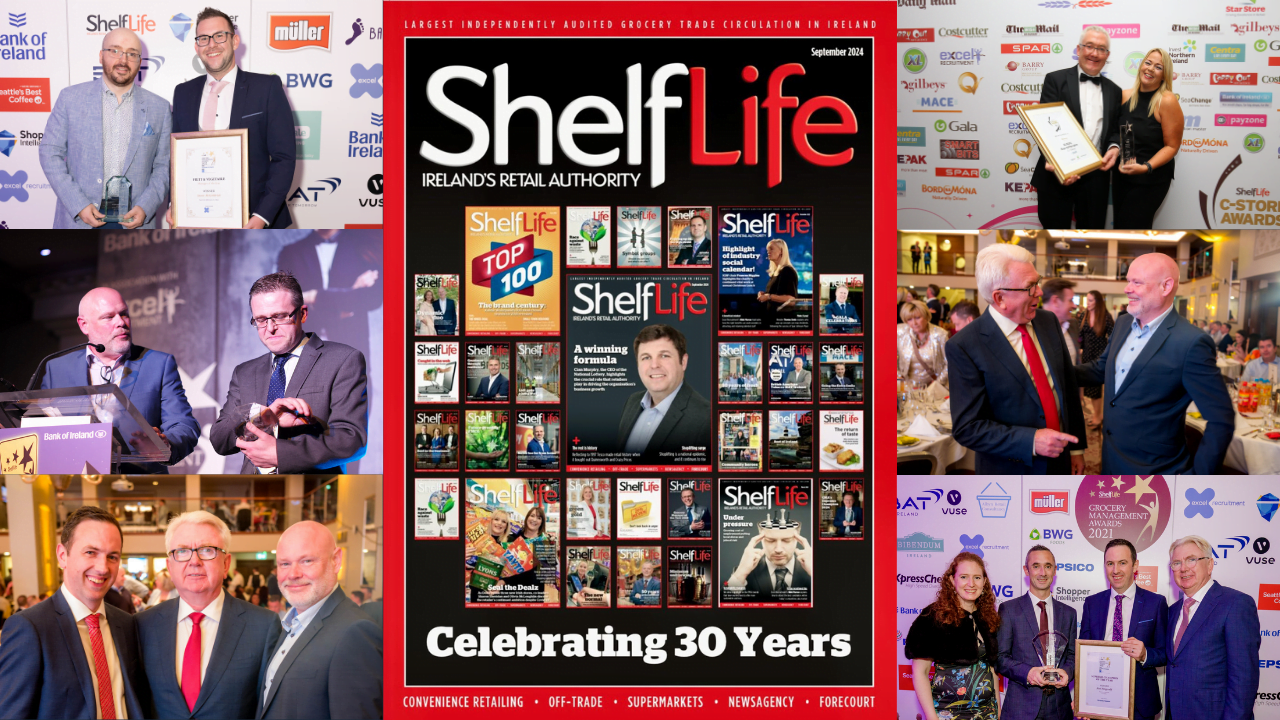
ShelfLife - 30 years of retail recruitment

30 Years of Retail Recruitment

In honour of Shelflife’s 30th year milestone this month our Director of Grocery Retail Recruitment, Nikki Murran, thought it would be fun to reflect on the changes in recruitment over the last three decades.   

When our founder Barry Whelan started recruiting, we had a fax machine, recruiters smoked at their desks and everyone wore a full suit every day, there was no zoom calls, every interview was in person and What’sApp didn’t exist!  

The evolution of technology has obviously had some of the biggest impacts on how we recruit, from how we advertise, how candidates apply and how candidates are referenced to how we communicate between candidates and employers. But there has also been a shift of focus to include soft skills, a heightened awareness on diversity and inclusion, the emergence of employer banding and of course remote working has been added to the mix. 

The market has flipped several times over the last 30 years. If you look back to 1994, the year of Shelflife’s first publication, unemployment was nearly 15%, so jobs were in short supply, with an abundance of candidates on the market. Some notable retailers of the day would have included Crazy Prices, Quinnsworth, St Bernard’s Dunnes Stores and Superquinn. Notably Aldi and Lidl had not yet joined the market.  

By 2001 the unemployment rate has drop as low as 4% where is would stay for the next number of years while Ireland experienced the Celtic Tiger Era. Similar to today’s market, candidates where scarce and many turned away from jobs in the retail sector. Until 2009. By 2009 Ireland was experiencing a recession and unemployment was back to 12% and continued to stay at this level over the following 8 years, peaking in 2013 at nearly 14%. During this era, it was a client driven market with employers once again having ample candidates available for every open job. The last ten years has seen a steady decline in unemployment, bringing us back to today – near perfect unemployment and retailers again shouting out for talent to remain in the industry!  

30 years ago, retailers looking to attract candidates would place an ad in the Irish Independent – on a Thursday – which included an address you could post your CV to and a landline number for more information.  Today we have a multitude of professional online job board forums, as well as a dedicated social media platform in LinkedIn. Mind you, the old process of an “apply within” sign is still holding firm! I guess some things don’t change after all.  Radio Ads also went through a phase in the early 2000’s but later died out too.  

One of the more amusing trends I have noticed over the last decade is how candidates present themselves for interview.  As recent as 10 years ago, every candidate wore a full suit, and every man wore a tie to an interview. This was a given, even for trainee managers or apprentice butchers and bakers coming straight from school – they borrowed a suit if they didn’t have one. Today, more and more candidates show up in much more casual attire – sometimes too casual. Fashion retailers no longer wear suits, but dress to match the brand they represent, junior candidates believe a pair of jeans and their best runners is a full effort and whilst some still wear suits, it appears ties are mostly a thing of the past!  

Over the last 15 years, as the unemployment figures have come down, candidate’s behaviours have shifted substantially, nearly directly in line with the unemployment trend. The market is now full of passive candidates, rather than active. With the emergence of CV databases like Indeed and LinkedIn, increasing numbers of candidates have an expectation of being approached or headhunted, rather than compiling a CV and submitting it. With the acceptance of online interviewing, there is now a reluctance to travel too far for interviews. Whereas go back even 12 years and I don’t ever recall a candidate refusing to come to Dublin to meet me, weather they were travelling from Donegal or Cork, regardless if the job was for Deli Supervisor or Store Manager, they came, no questions asked. 

There has also been more unsavoury candidate behaviour – many retailers have plenty of stories of no-show interviews, counter offered candidates and new starters leaving after a week. At the risk of sounding old, these things didn’t happen when I worked in retail – or certainly not to the extent of today’s candidates. It’s hard to know if it’s an era thing or reflective of today’s economy or perhaps both?  

I’ve enjoyed watching the changes by clients over the years as they have moved from a wish lists for potential candidates which included all hard skills to a much broader wish lists, which now, nearly always, include softer skills. Most roles I had registered when I started recruitment cited things like – experience with store ordering, stock takes, floor standards, newspaper returns etc. Now, skills such as having an ability to lead people, bring their team in on the journey and increase customer engagement are much higher on the priority list. The best retailers have gone from being excellent managers to outstanding leaders instead.  

And finally – formality – the whole level of formality has changed – we have gone from cover letters addressed to “Dear Sir” 30 years ago, to today’s world of Text and What’sApps!  

I wonder what the next 30 years will look like!  

For more information call us on 01 814 8747 or email nikki@excelrecruitment.com. You can view all of our live jobs here.

Hybrid shopping

The importance of moving to a hybrid shopping experience in the retail industry

Our Director of Fashion & Non-Food Retail, Aislinn Lea, featured in the Retail Excellence Ireland, Retail Times, to discuss the importance of moving to a hybrid shopping experience in the retail industry. Aislinn highlights why having a bricks-and-mortar business with an online aspect, along with a mix of retail and digital talent, is crucial for retail success.

It’s a different world in retail, post-pandemic, Aislinn Lea agrees. “Retail employee retention has always been challenging, but it has reached new heights since the pandemic. Retail workers are now seeking roles that offer greater work-life balance and more flexibility as well as the company being the right culture fit,” she says. Sourcing, training and onboarding new team members can be expensive, so it is worth investing in retention strategies to prevent high employee turnover. With this in mind, Aislinn says there are a number of key reasons good retail staff will start to think about leaving to be mindful of. And luckily, there are steps you can take to prevent this, as she explains below.

Aislinn believes a hybrid shopping model is essential in today’s retail landscape, but equally important is having the right digital and retail team. “In physical retail stores, employees assist customers, answer their queries, and guide them through the purchasing process. Similarly, in the digital realm, staff interact with customers through various channels like live chat, email, or social media, addressing their concerns and providing support. Exceptional customer service builds customer loyalty and increases sales so selecting the right candidate is essential for business growth,” she says.

Meeting customer preferences:

Customers have varying preferences when it comes to shopping. Some prefer the convenience and accessibility of online shopping; others prefer the tactile experience and personal interaction of physical stores. Having both options allow you to cater to a wider range of customers, whilst enhancing their shopping experiences.

Digital talent for online success:

To succeed in the digital realm, having a team of digital talent is essential. These professionals can handle e-commerce operations, digital marketing, website design and optimisation, social media engagement, and customer relationship management. Their expertise will ensure that your online presence is effective, engaging, and capable of driving traffic and conversions.

Building brand awareness and sales:

Physical stores offer a tangible presence that can help build brand awareness. Customers can interact with products, seek assistance from knowledgeable staff, and establish a personal connection with the brand. By complementing this with an online presence, you can expand your reach, engage with a broader audience, and reinforce your brand identity. Online sales can supplement your in-store revenue and provide opportunities for growth.

Retail talent for personalised experiences:

In-house retail talent is crucial for providing exceptional customer service, creating personalised experiences, and driving sales in physical stores. Retail employees with product knowledge, excellent interpersonal skills, and a passion for customer satisfaction can enhance the overall shopping experience and build lasting customer relationships.

Blending physical and digital strategies:

The key to a successful hybrid shopping model is integrating your physical and digital strategies. Your retail and digital talent need to collaborate closely to align marketing efforts, optimise inventory management, deliver consistent brand messaging, and leverage customer data to provide personalised experiences. This will help make the most of your hybrid approach. Retail teams could also enhance collaboration with the digital team by providing services such as in-store collections and returns.

You can check out this feature in the most recent edition of the Retail Times here. For more information call us on 01 814 8747 or email aislinn@excelrecruitment.com

You can view all of our live jobs here

Fashion & Non-Food Retail

Fashion & Non-Food Salary Outlook 2022

Industry Outlook & Not-For-Profit Organisation’s

After nearly two years of disruption, companies are still adapting to new consumer priorities, and digital is providing a nexus for growth. Nevertheless, the industry faces significant challenges amid the large influx of retail jobs required, but there is not enough candidates around to fill these roles.

Why is this? The speed of recovery across regions is expected to be uneven, and players must stay flexible in the market to attract more candidates to the industry.

There’s several economic factors affecting retail jobs such as

• Two years of minimal new entrants to the retail industry.
• We’re losing a variety of experienced managers who may have lost their jobs, or where stores were temporarily closed. This resulted in people seeking employment in new sectors.
• You can also expect to see the usual losses of managers moving out of retail for various personal reasons.
• We’ve seen a lot of retail fashion managers upskilling since the 2020-2021 closure. This segment of people are now carrying out a variety of online courses and returning to education to gain new knowledge/skills for completely different industries.

On a positive note, we’ve seen many non-profit organisation’s, address their fundraising challenges by pivoting towards digital strategies so they can provide essential resources and funds for their communities. This has helped the industry to see an increase in both sales, customers, and new store openings. The fashion and luxury goods industries have really stepped it up when paying attention to the impact they have on the environment. This is vital for the sector as many people now have a keen interest in sustainability initiatives through upcycling clothes or buying from vintage stores which has created a footfall of new customers. The growth in these sustainable efforts will continue to prosper and we’re all for ‘what’s preloved in your wardrobe, can be reloved in someone else’s wardrobe’.

How To Attract More Talent For Retail?

Employers now need to place more time into writing their job advertisements.

Some tips that will help with this are as follows:

• Clearly outline the role and the responsibilities, but more importantly you will need to highlight the benefits. Be creative with your benefits package.
• Look at the trading hours and ensure a work life balance can be achieved – every second weekend off is one of our favourites.
• Basic salary must be competitive.
• Bonus structure should be clear and achievable with stated KPI’s based on previous years and months.
• Discounts can be broken down into various costs & perks.
• A Pension Scheme is certainly worth looking at and very much appreciated by candidates.
• Healthcare is again very important to people.
• Team Building like creative fun days or events / celebrations are great talking points. Candidates buy into employers & company culture in the same way that employers buy into a candidates fit for a role.
• Maternity Leave is a benefit that we are starting to see more of. This does not have to cover the entire maternity leave, but partial cover is greatly appreciated by all.

Looking Ahead to 2022

Similar to 2021, we’ve seen a lot of challenges particularly around logistics and people. However, the retail industry remains very strong with areas such as DIY, Home and Fashion all recording excellent results. Sports casual and fitness companies will see continued growth, while “green careers” which is tied in with sustainability will remain a huge focus in 2022. All in all, we anticipate a busy year ahead with a huge demand for candidates across this sector.

If you need any assistance, please contact aislinn@excelrecruitment.com. If you are looking for a job in the Fashion & Non-Food retail industry, please see our live jobs here. View the Fashion Non-Food Salary Guide 2022 here.

ecommerce

€1.25m E-commerce fund for retailers open for applications

A new scheme meant to help Irish SMEs and retailers grow their e-commerce capabilities has opened for applications. The scheme, which is run by Enterprise Ireland, will allocate €1.25 million in funding to facilitate the acceleration of online retailer’s digital and e-commerce capabilities.

The scheme will see grants of between €10,000 and €25,000 awarded on a match fund basis with the specific purpose of supporting retailers to enhancing their online sales capabilities, ensuring they are better equipped to deal with increasing competition from overseas and help scale their businesses in international markets.

“Enterprise Ireland is committed to supporting Irish companies to realise their global ambition by providing the mentoring and financial support necessary to scale in international markets,” said Stephen Hughes, head of consumer, Enterprise Ireland.

“Ireland’s retail sector is a primary contributor to our economy, both nationally and at a regional level but it is under significant pressure, particularly from international competitors with the digital means to extend their reach to Irish consumers. By delivering the Online Retail Scheme, we intend to support Irish retailers to innovate and through innovation, to increase their competitiveness and enhance their online presence.”

“While no single intervention will solve the challenge posed by the emergence of digital commerce in recent years to traditional bricks and mortar retailers, today’s announcement marks a significant step forward by Government in firstly acknowledging the challenge faced by the Irish retail sector and secondly by beginning to put in place supports for Ireland’s largest private sector employer,” said Thomas Burke, director at Retail Ireland, the IBEC group which represents the retail industry.

The Online Retail Scheme is open to applications from retail SMEs with 20-249 employees across the island of Ireland, and who have a retail outlet. Closing date for applications is 5 December 2018.

Further information on the fund and details on how to apply are available at www.enterprise-ireland.com/retail.